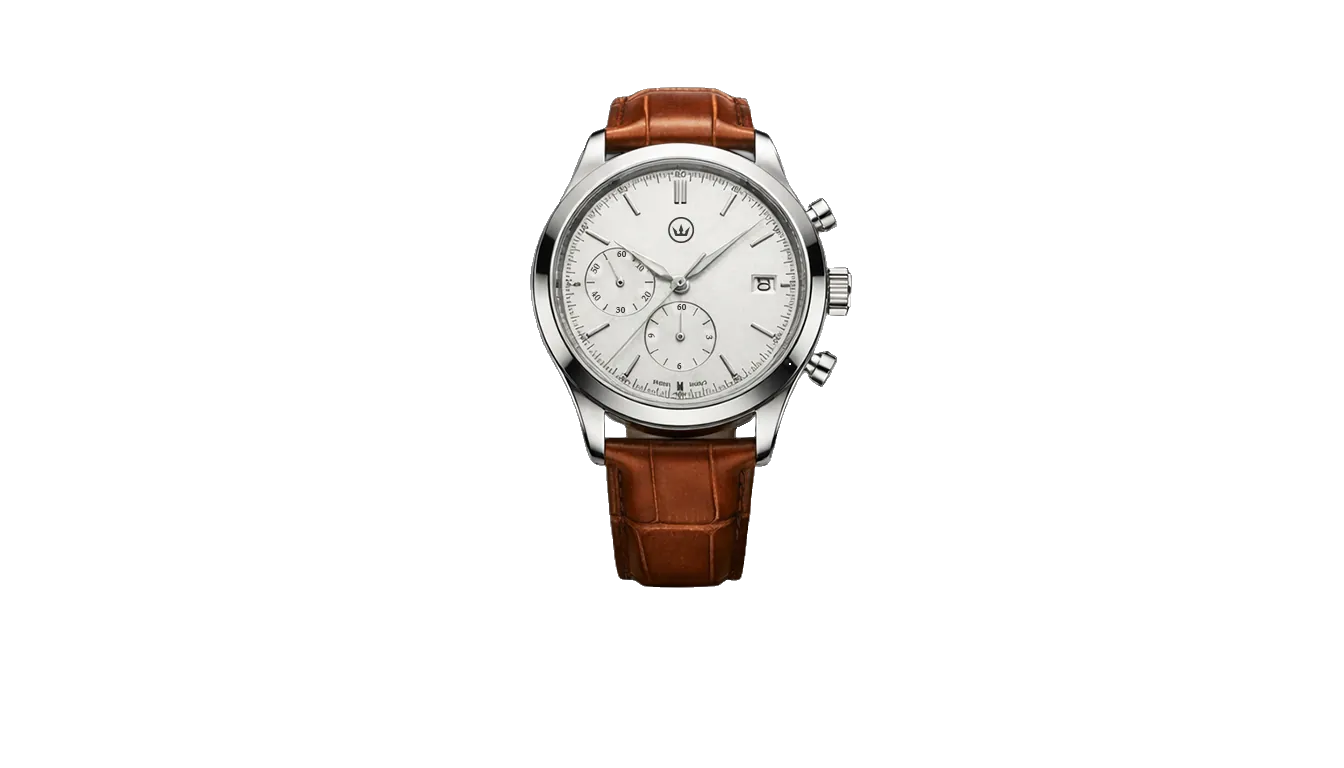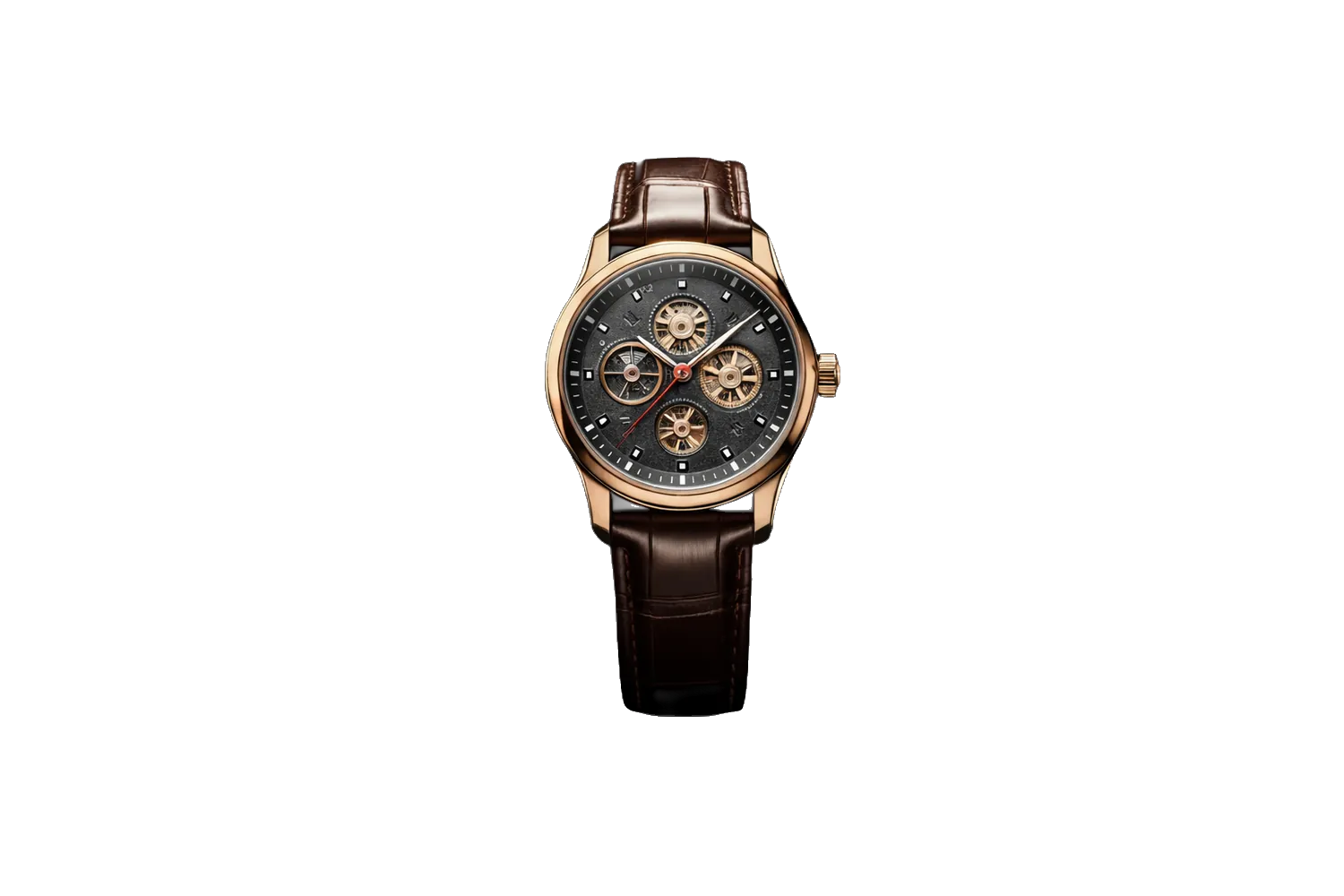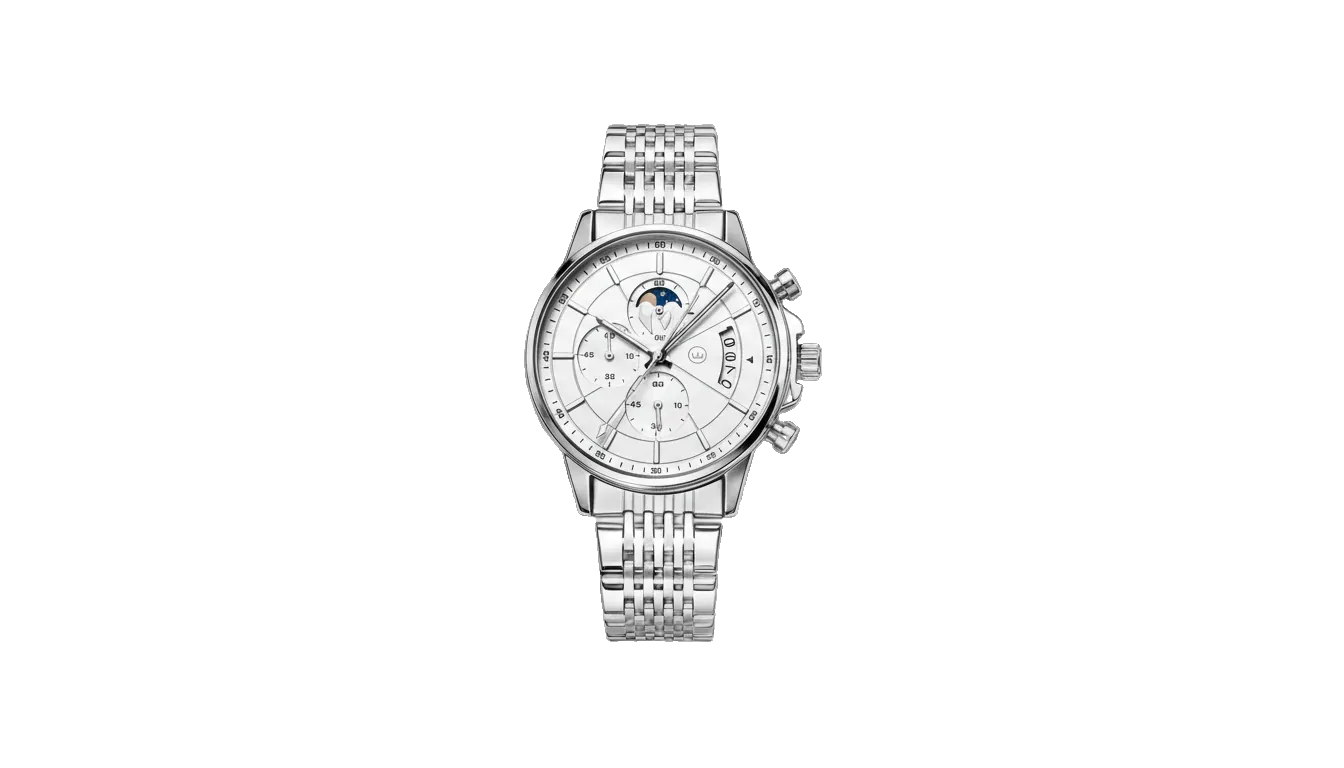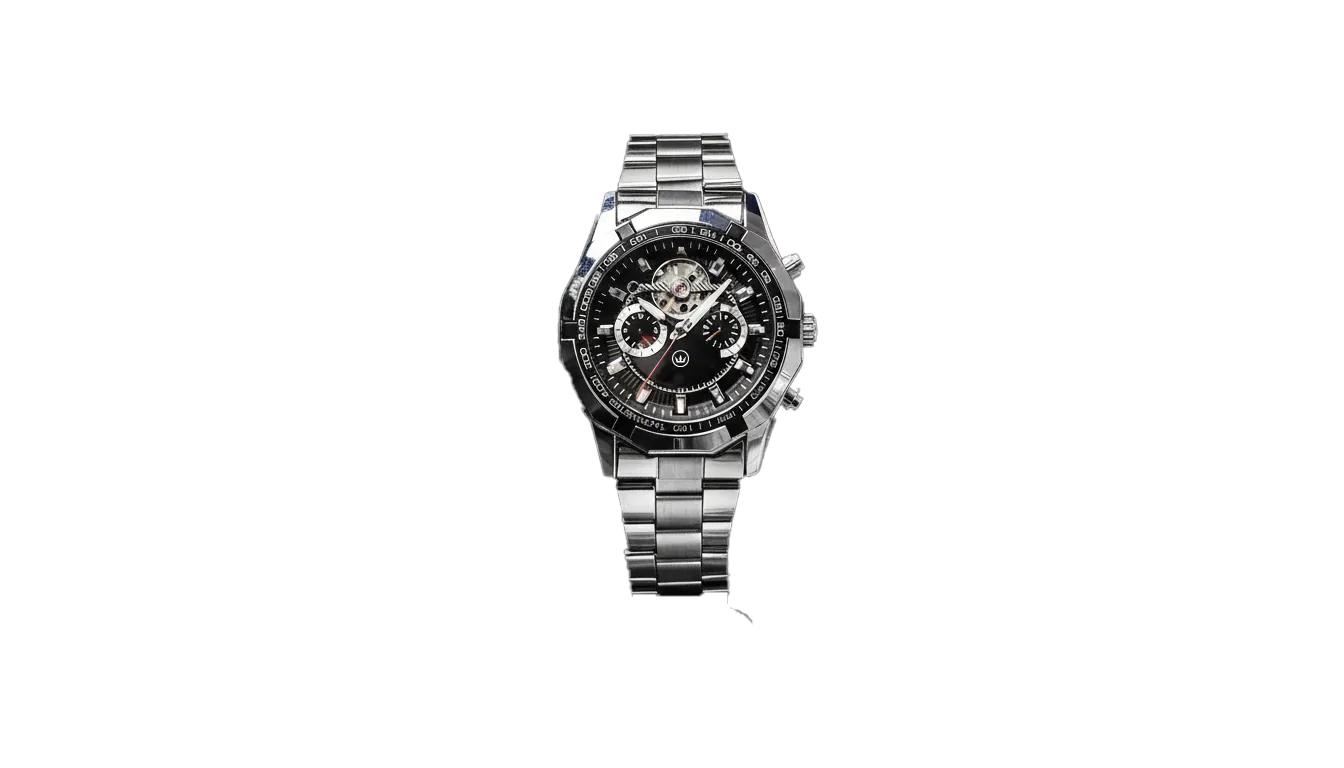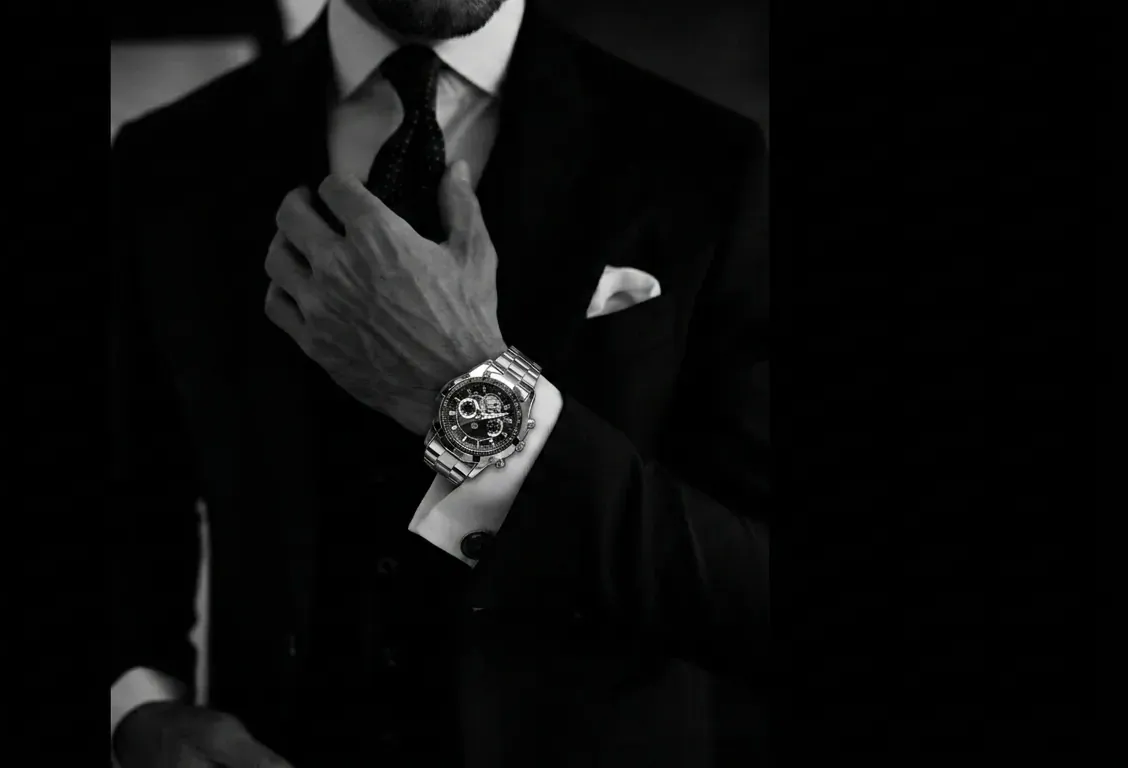
Eternal Gallery
I. The Spark
Time is universally recognized as the most precious, non-renewable resource available to humanity, serving as the common denominator for all human experience.
Its importance is defined not just by its finite nature, but by how it functions as the medium through which goals are achieved, relationships are nurtured, and legacies are built.
II. The Ambition
The strategic management of time is essential for translating aspirations into reality, as captured in the concept that a goal without a schedule remains a mere desire.
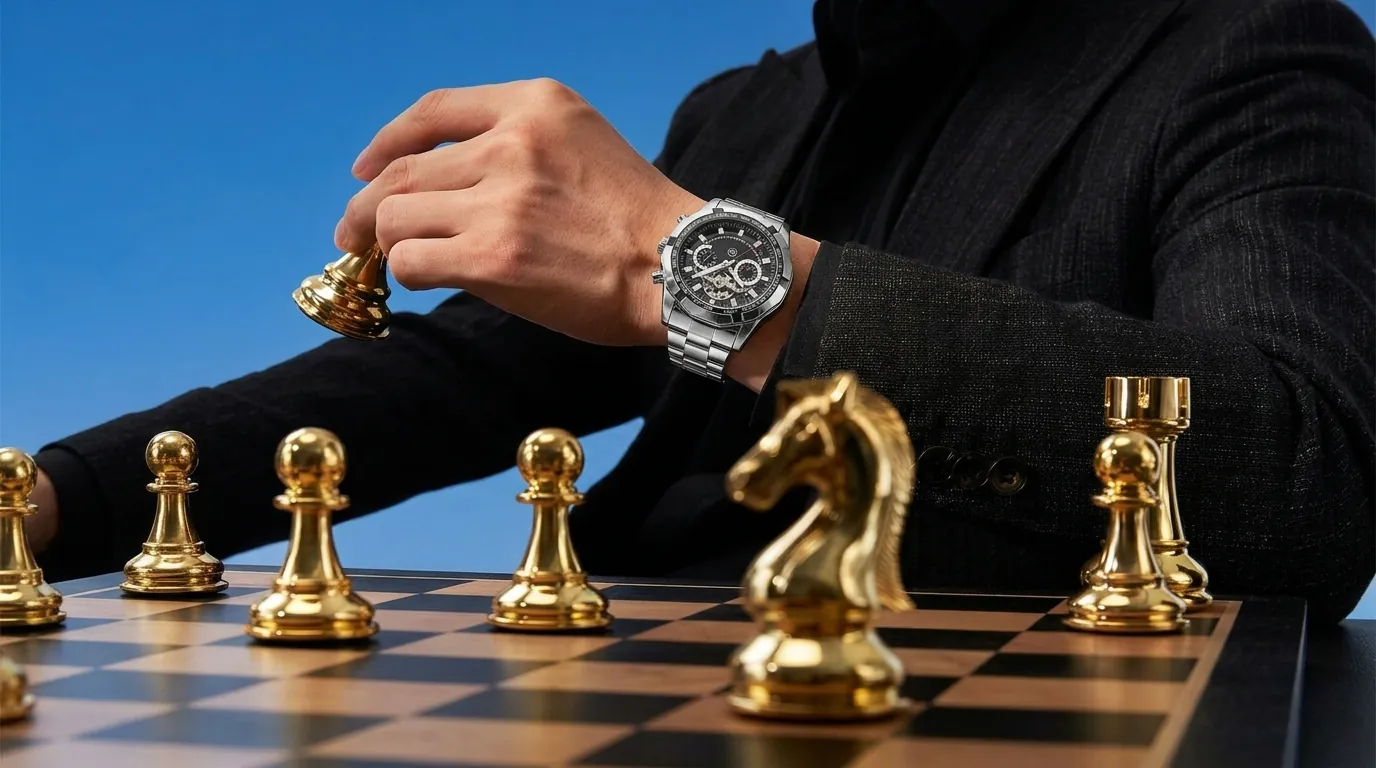
By prioritizing tasks and focusing energy, individuals can maximize their "active" time, ensuring that the limited hours available are aligned with their core values and long-term ambitions. This perspective shifts time from a passive backdrop of existence to an active tool for development and productivity.

III. The Legacy
While time is technically equal for everyone, each person is granted twenty-four hours in a day; the subjective perception and management of that time determine individual progress and fulfillment.
Many philosophers and high-achievers note that the "importance" of time is frequently undervalued until it is nearly exhausted, highlighting the necessity of discipline and intention. As historical figures have observed, time does not merely pass; it acts as a constant, unforgiving measure of one's engagement with life.

IV. The Eternal
Beyond productivity, the importance of time lies in its role in self-reflection and the human condition. Recognizing that time is ephemeral encourages a shift toward "presence," where the quality of one's experience becomes as significant as the quantity of work produced.
Ultimately, the value of time is determined by the meaning assigned to it, transforming fleeting moments into the lasting architecture of a person's life.
The Prime Collection
A refined lineup shaped by restraint, proportion, and detail. Each piece carries the Eternal point of view with clarity, precision, and a standard of finish intended to endure.